

From Fragmentation to Flow: Building Clovis’ Unified Construction Project Platform
DATE
2024-2025
Industry
Construction / Gestion de chantier
CLIENT
Clovis
WEBSITE
https://www.clovis.app/
11 months
Discovery team
Delivery team
Build a PropTech leader.
Context
Clovis’s mission is to simplify construction site management by replacing fragmented tools with a single secure workspace that improves collaboration, boosts productivity, and streamlines field operations through real-time planning, documentation, and reporting.
Clovis applies its expertise in construction workflows to deliver:
• User & team management for assigning roles and coordinating crews
• Task planning & progress tracking across projects
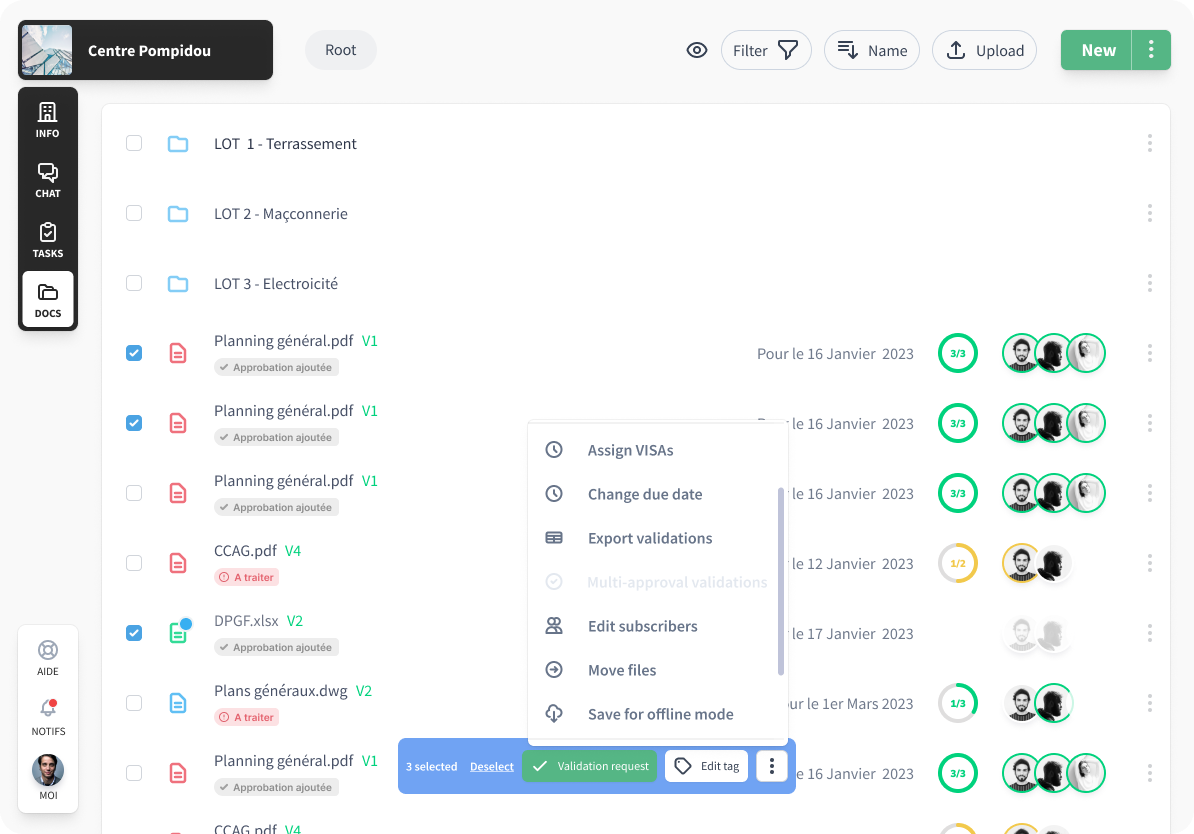
• Centralised document storage and interactive plan annotations
• Automated reporting, approvals, and traceability workflows
Clovis promise is simple: save 5 hours per week and per employee.
Founded in 2020, Clovis raised +2M€ from Tomcat and We Love Founders end of 2024 to accelerate and scale.
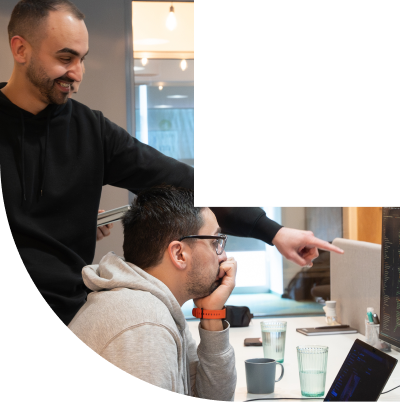

We’re working with three developers at Ludotech to accelerate product development. The goal is to directly integrate experienced developers who can have an impact quickly on velocity.
Objective
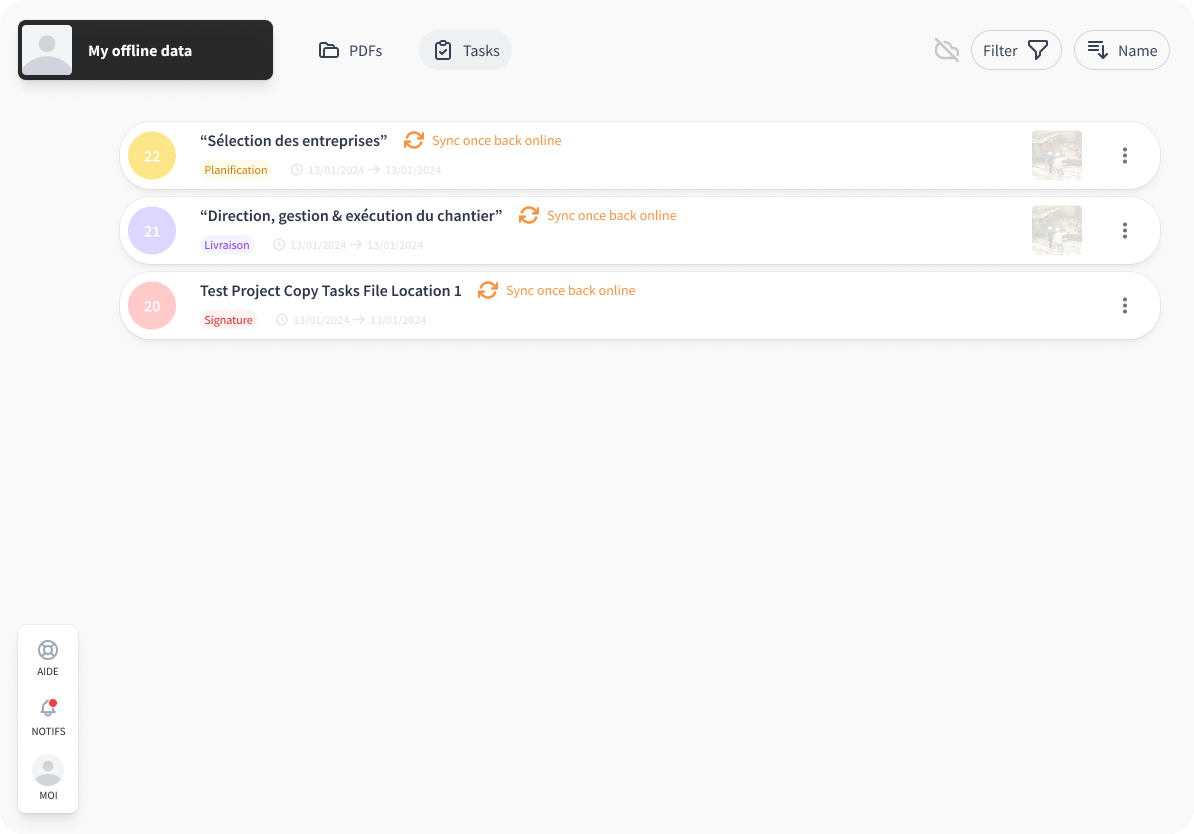
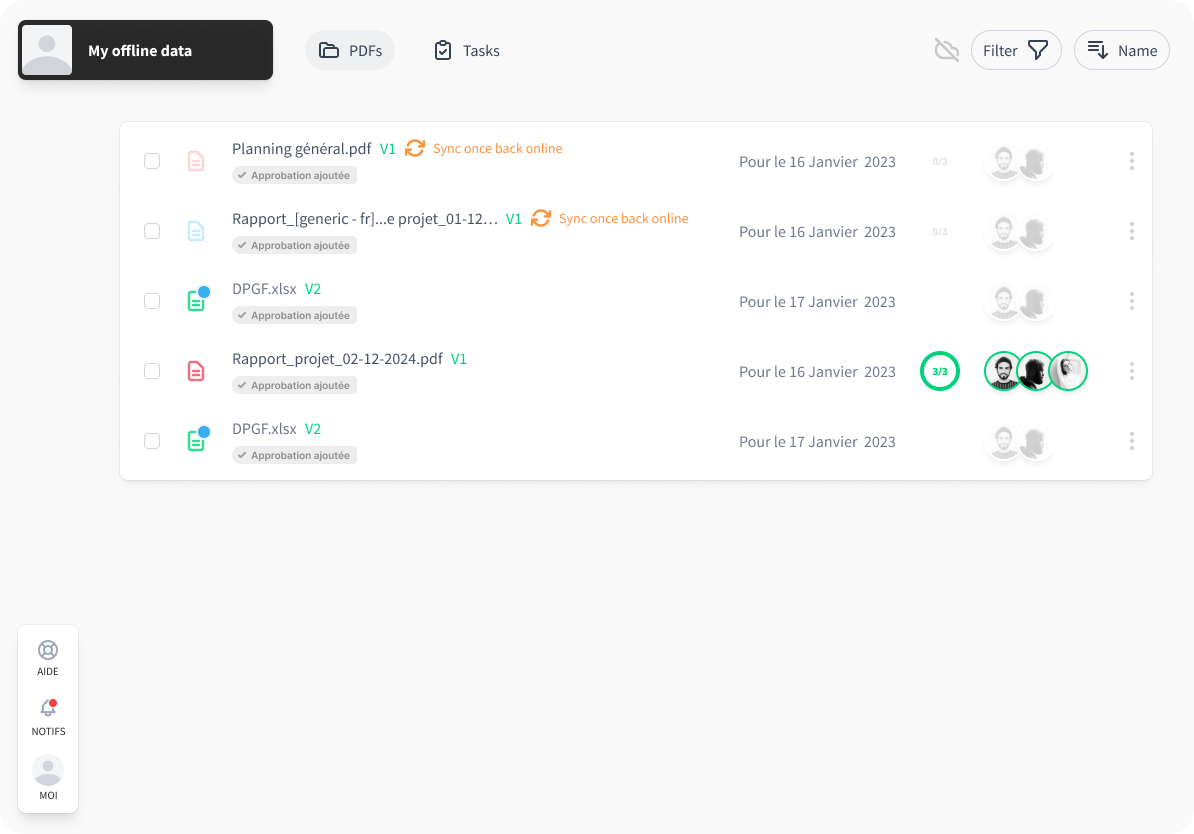
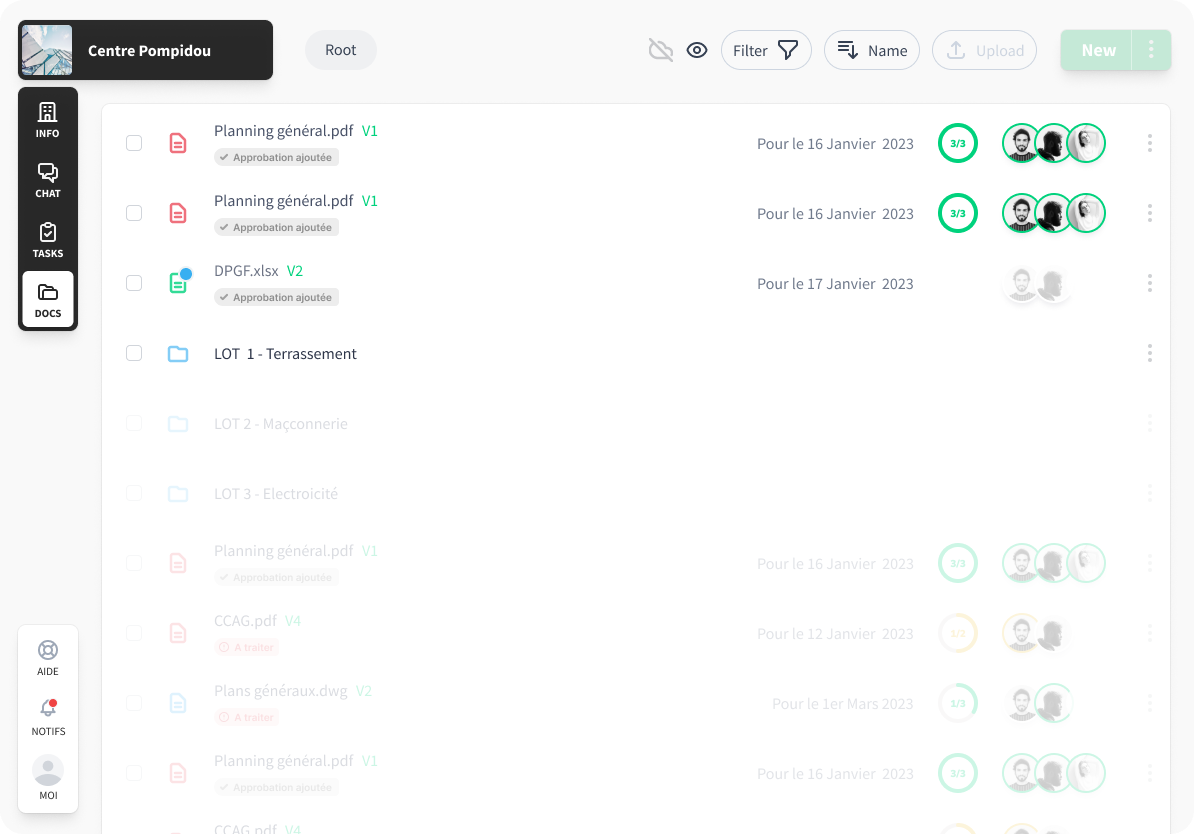
Become the "backbone" of Clovis development team in order for them to scale the product efficiently: reliable to support more and more users on a daily basis and ship game-changer features (offline mode).
Challenges
Clovis’ goal was to empower construction and real estate professionals to work more efficiently — but teams were struggling with:

1.
Stability of the platform: more than 900 bugs tickets opened and pending to be solved.
2.
The organization was not designed to scale yet: clarity of rituals, overlaping perimeters, no roadmap etc.
3.
Fragmented documentation and task tracking

1 - Product Discovery & Direction

Built a shared understanding of construction team workflows and constraints; Identified key collaboration and coordination gaps between field and office teams; Evaluated existing tools to benchmark expectations, limitations, and opportunities; Defined the overall product goal and success criteria.
2 - Product Design & UX Strategy
Identify pain points and ensure alignment between technical teams, designers, and stakeholders; Prioritise features based on user impact, technical feasibility, and business value; Designed and refined dashboards focused on actionability (tasks, plans, reports, documents); Ensured usability across mobile, tablet, and desktop contexts; Balanced usability, accessibility, and performance using modern UI patterns and components.
3 - Development & Feature Implementation
Actively contributed to feature development using a modern TypeScript and React-based stack; Fixed bugs and improved stability across the platform and performance; Delivered feature enhancements based on product and user feedback; Built and supported new features, including offline mode; Iterated on functionality through testing and real-world usage feedback.
4 - Delivery Management
Had a Team Lead who focused on managing planning, prioritisation, and delivery; Owned and maintained the Linear board, including ticket creation, assignment, and tracking; Implemented a structured ticketing and prioritisation system to improve delivery focus; Coordinated work across teams to keep delivery on track; Ensured focus on the highest-impact features and fixes per sprint; Provided progress updates, delivery metrics, and performance insights to stakeholders and shareholders.
5 - Iteration & Continuous Improvement
Ran usability and functional testing in real usage scenarios; Collected feedback from hands-on users and internal teams; Continuously refined product functionality, UX, and technical implementation based on learnings; Released frequent improvements and new versions to production.
Solution & Deliverables
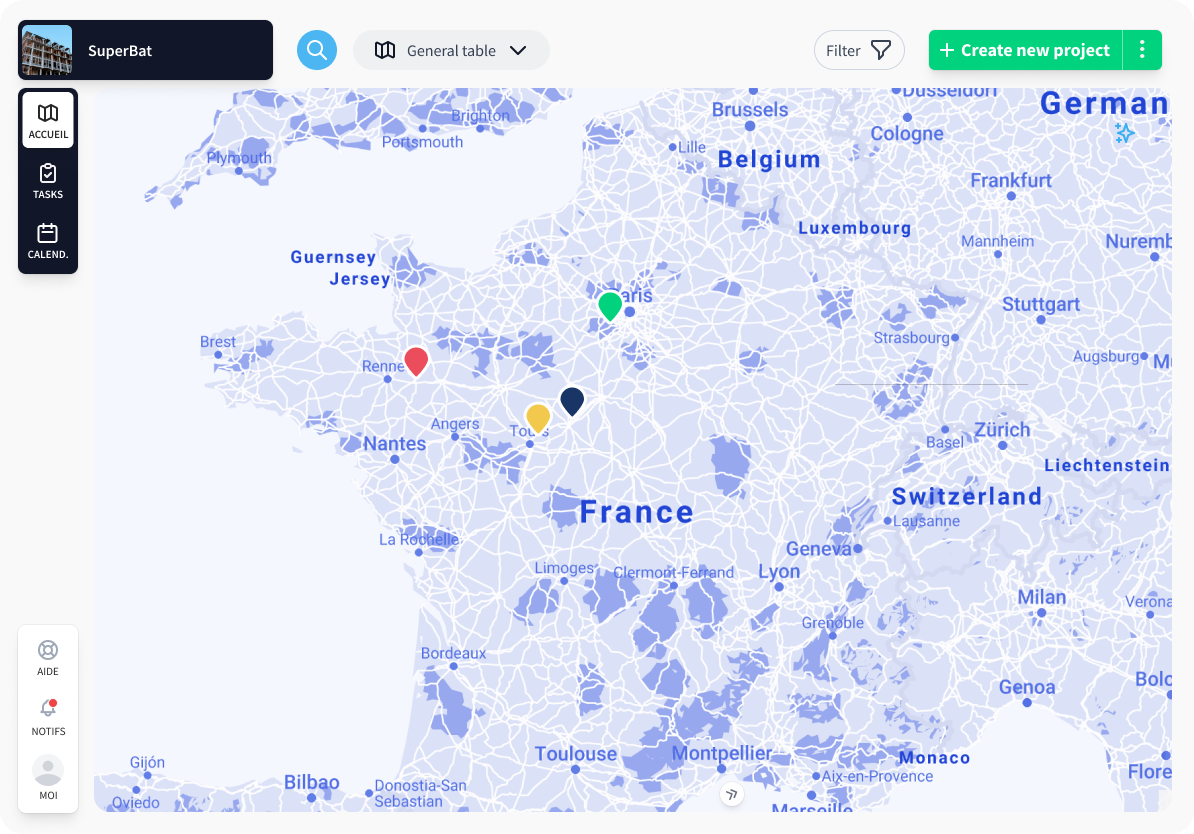
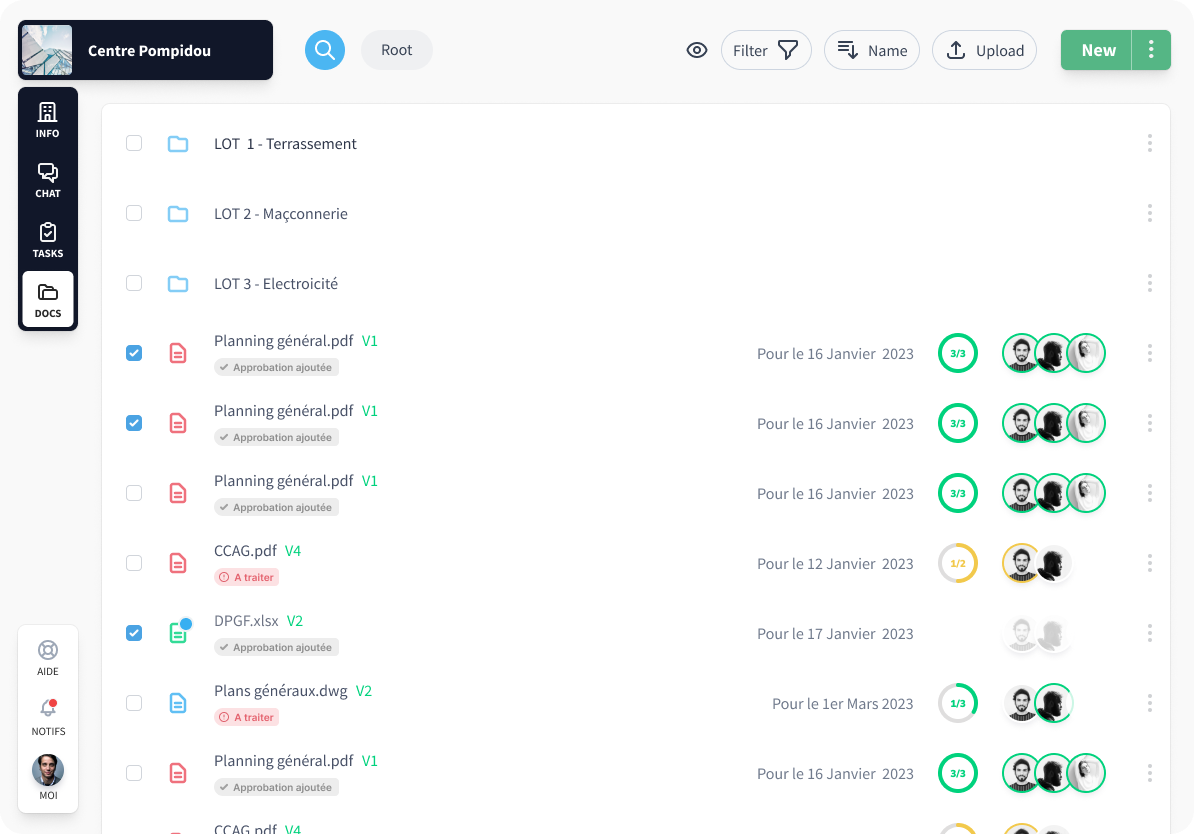
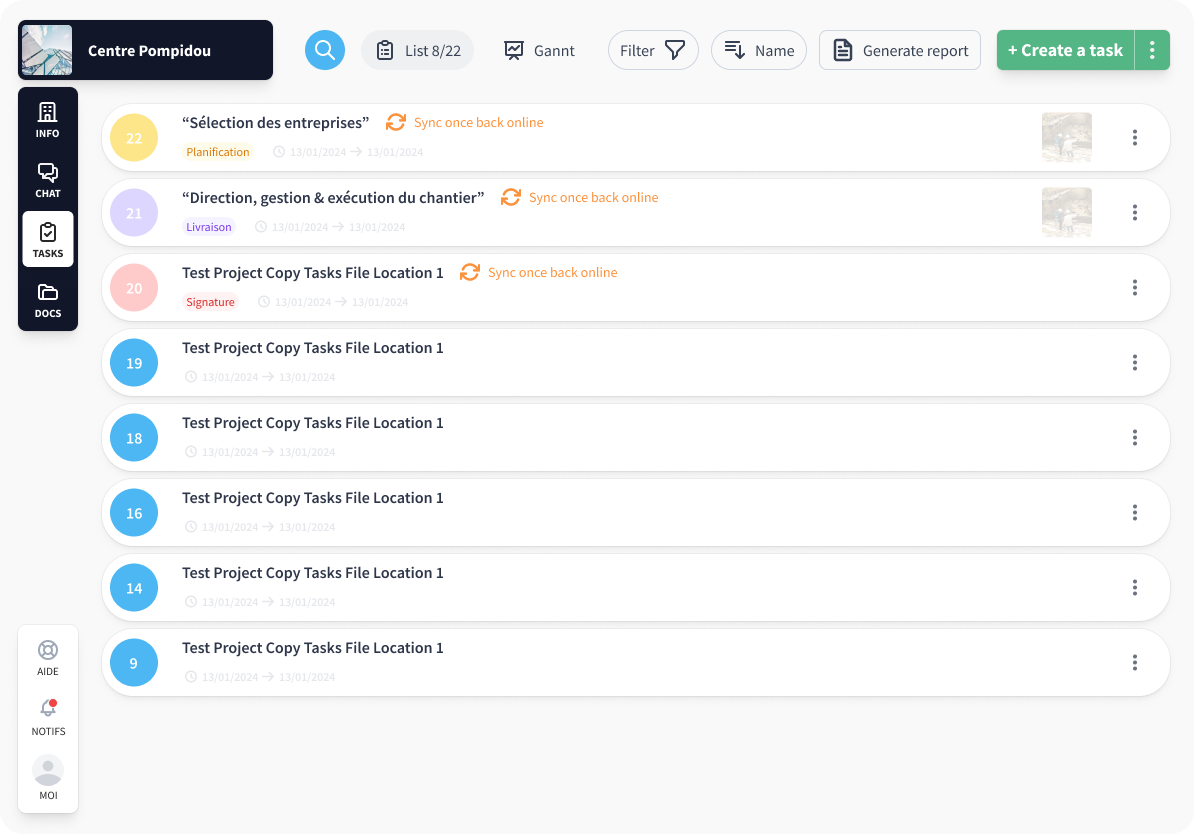

Centralised Project Management
- Owned centralised planning, prioritisation, and tracking on Linear.
- Created and assigned scoped tickets, managing delivery timelines and risks.
- Monitored progress and team capacity, resolving blockers.
- Reported delivery metrics to stakeholders and coordinated releases.
Key Features
- Task planning and dependency management with interactive Gantt and timeline views
- Centralised document management with in-browser viewing, annotation, and version control
- Centralised conversations to replace scattered messages across tools and channels
- Automated reports and traceability logs
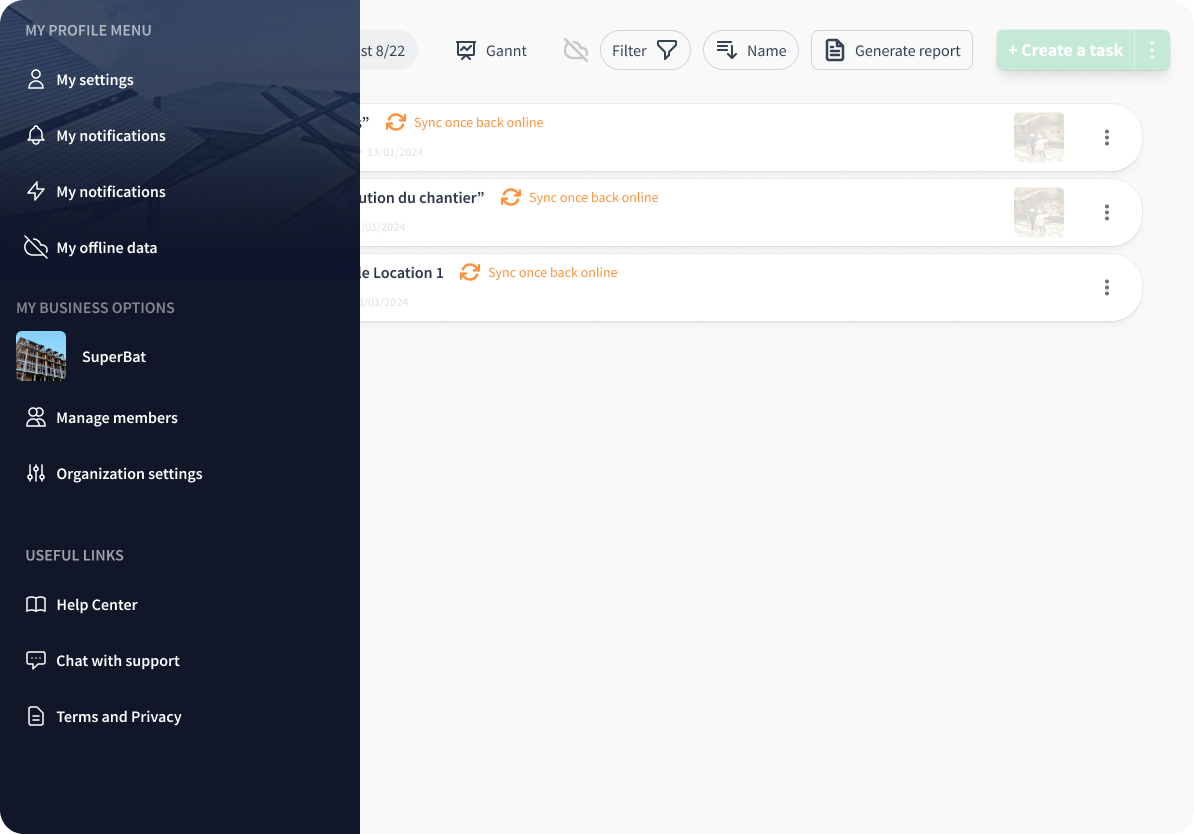
- Offline mode enabling uninterrupted work on-site with background sync when reconnected
- Global search feature
Tech Stack & Tools
- Collaborative UI designed in Figma
- Frontend built with TypeScript and React, using accessible UI primitives and advanced scheduling components
- GraphQL-based API enabling efficient, real-time data access and synchronisation
- Cross-platform delivery via web, iOS, and Android using a shared codebase (Capacitor)
- Secure authentication, authorization, and cloud infrastructure supporting scalable deployment


Technical debt was reduced through targeted refactoring and bug fixes, maintaining platform stability, security, and performance as adoption scaled.
Feature prioritisation and user-centered iteration ensured the platform consistently met both business objectives and real-world user needs.
Development teams delivered incremental features informed by direct user feedback, working closely with stakeholders, Product Manager and Team Lead.